Landscaping represents an essential commitment by commercial properties looking to boost appearance, utility, and property value. Comprehending the comprehensive process of landscape construction, from site preparation to maintenance planning, enables property managers, developers, and business owners with crucial insights to take informed actions. This article presents an expert guide on what commercial properties should expect from professional landscape construction services in 2025, emphasizing key phases, sustainability practices, regulatory compliance, and more.
What Are the Key Phases of Landscape Construction for Commercial Properties?
Landscape construction for commercial properties follows a strategic progression designed to remodel raw land into vibrant, functional outdoor spaces. The process initiates with meticulous site preparation, involving clearing existing vegetation and debris, executing thorough soil analysis, and implementing precise grading to support effective drainage solutions that prevent erosion. Following zoning regulations during this phase secures all designs meet local commercial standards.
Next is the design implementation, where approved landscape design and planting plans are executed under experienced project management. This stage includes both softscaping—such as tree planting, ground cover, and mulch application—and hardscaping elements.
The infrastructure installation phase includes setting up essential irrigation systems, installing engineered retaining walls for soil stabilization, constructing durable walkways, and integrating other key features such as fence installation and outdoor furniture. Utilization of high-quality construction materials provides longevity fit for the high foot traffic typical of commercial environments.
Finishing touches comprise deploying landscape lighting and outdoor signage, together with adding water features and accessibility enhancements to assist all users, meeting safety and commercial zoning mandates.
Finally, rigorous quality control validates that every aspect meets safety standards and environmental compliance before project sign-off.
How Does Landscape Construction Influence Commercial Property Value and Aesthetic Appeal?
A carefully developed landscape substantially improves a commercial property's curb appeal and market value. By utilizing principles of landscape architecture, designers build eye-catching spaces that merge practicality with beauty. Deliberate incorporation of seasonal color through flower rotations and the use of native plants enhances year-round vibrancy while minimizing maintenance burdens.
Natural environments established through expert landscape construction serve as inviting environments for tenants and visitors, fostering longer dwell times and positive brand impressions. Moreover, thoughtfully arranged walkways and accessible outdoor amenities enhance flow and user experience, directly contributing to higher occupancy and tenant satisfaction.
Integrating sustainable landscaping methods reduces ongoing operational costs and corresponds to growing environmental awareness, which is increasingly valued in real estate markets today.
Which Environmental and Sustainability Factors Are Essential in Commercial Landscape Construction?
Sustainability is fundamental to modern commercial landscape construction strategies. Selecting drought-resistant native plants limits water consumption while supporting local biodiversity, affordable landscaping Pasadena CA an vital component of environmental stewardship. Implementing advanced stormwater management solutions like bioswales and permeable pavements reduces runoff, protecting surrounding ecosystems and lowering flood risks.
Techniques such as composting and organic mulching techniques boost soil fertility naturally, encouraging healthier plant growth and minimizing reliance on chemical fertilizers. Additionally, robust erosion control via retaining walls and sloped grading protects soil integrity during adverse weather conditions.
Environmental impact assessments during project planning confirm compliance with local regulations and limit carbon footprints, indicating corporate responsibility and sometimes providing tax incentives or certifications.
Why Are Irrigation and Drainage Critical in Commercial Landscape Projects?
Well-maintained irrigation systems and strategically planned drainage solutions support a thriving commercial landscape. Automated irrigation technologies improve water delivery schedules and quantities, facilitating water efficiency
andsubstantially reducing waste. Properly installed drainage eliminates waterlogging that can damage plant health and infrastructure.
Precise grading ensures rainwater and irrigation runoff are directed away from buildings, walkways, and other critical areas, thereby stopping structural damage. Innovations like rainwater harvesting and smart landscape automation enhance sustainability by reusing water and supporting adaptive monitoring of system performance.
How Is Maintenance Planning Addressed During Commercial Landscape Construction?
Maintenance is a tactical element embedded during the construction phase to protect investment value and guarantee lasting landscape quality. Designs focus on turf management and plant health techniques that reduce the demand for continuous interventions. Scheduled programs including pest control and weed control shield greenery from infestations and invasive species.
Seasonal tasks such as snow removal in colder climates are incorporated into comprehensive maintenance plans to shield plantings and hardscape from damage. Mulching supports moisture retention and weed suppression, facilitating upkeep routines. Clients often get recommendations for professional ongoing care or training for on-site staff to manage daily upkeep efficiently.
What Are the Safety Standards and Regulatory Requirements Commercial Properties Must Follow in Landscape Construction?
Compliance with safety standards and legal requirements is crucial in commercial landscape projects. Adhering to local zoning regulations controls permissible plant species, structural elements, and signage, securing conformity with municipal codes. Accessibility guidelines, such as ADA requirements, mandate barrier-free walkways and amenities that cater to all users.
Use of non-toxic materials and safe construction practices shields workers during installation and occupants afterward. Effective project management provides ongoing monitoring of site safety and regulation adherence, preventing costly penalties and protecting insurance coverage.
What Are Common Hardscaping Elements Included in Commercial Landscape Construction?
Hardscaping enhances natural landscaping by offering durability and improving functionality. Typical features include:
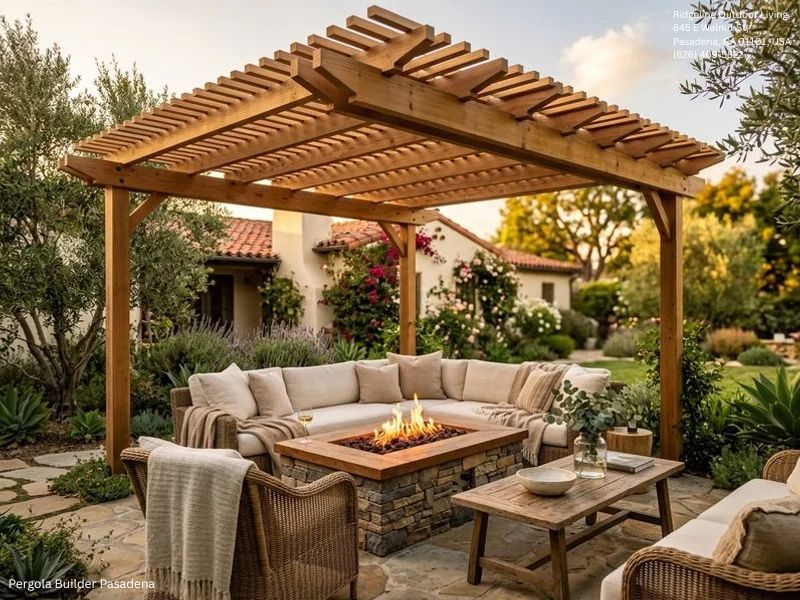
- Walkways made from commercial-grade paving offering resistance to heavy foot traffic. Retaining walls which strengthen soil and offer dimensional aesthetics. Fence installation for protection and boundary definition. Outdoor furniture built for durability against elements and relaxation, forming social and rest areas. Lighting installation which increases safety and accentuates landscape features during evening hours.
Including these elements enhances the overall landscape architecture, making commercial spaces inviting and functional.
How Does Climate Affect Landscape Construction Choices for Commercial Properties?
Climate strongly affects material selection, plant species, and energy efficiency strategies used during landscape construction. Regions with desert-like weather emphasize drought-resistant plants and robust irrigation controls, while colder zones need consideration of frost-resistant vegetation and winter maintenance like snow removal.
Designers also consider seasonal color schemes to preserve visual interest throughout changing weather patterns. Energy-efficient landscape lighting and shading from strategically placed trees help lower heating and cooling costs of adjacent buildings.
What Innovations Are Emerging in Commercial Landscape Construction?
Technological advancements are transforming the future of commercial landscape construction. Smart irrigation systems use sensors and automated controls to optimize water usage dynamically. Landscape automation applies to lighting controls that adapt to ambient conditions, enhancing energy conservation.
New materials for hardscaping highlight sustainability, including permeable surfaces that assist with stormwater management. Additionally, integration of renewable energy sources such as solar-powered lighting illustrates the trend toward eco-friendly outdoor environments.
How to Effectively Budget and Estimate Costs for Commercial Landscape Projects?
Accurate cost estimation calls for careful evaluation of project scope, including construction materials, labor, design complexity, and ongoing maintenance commitments. Early-stage project management ensures all factors are accounted for, minimizing unexpected expenses.
Selecting experienced landscape contractors
who offer straightforward rates and recorded timeframes helps commercial property stakeholders budget effectively and complete projects within allocated funds while meeting performance expectations.
Frequently Asked Questions (FAQ)
Q1: How much time does a standard commercial landscape construction project require?
A: hardscaping tips The length of the project depends on size and complexity, typically lasting from a few weeks to several months, affected by site conditions, weather, and permits.
Q2: How does landscape construction affect energy efficiency in commercial buildings?
A: Yes, strategic tree planting provides natural shading that reduces cooling costs, while energy-efficient lighting and reflective surface usage further contribute to lowering energy consumption.
Q3: Which plants are ideal for commercial landscaping?
A: Native and drought-adapted plants are chosen for their hardiness, reduced care requirements, and support of environmental health.
Q4: What factors should I consider when selecting a reliable landscape contractor for commercial property?
A: Seek contractors who have proven commercial project experience, valid licenses, positive client reviews, clear pricing, and solid warranties.
Q5: What regular upkeep is needed after landscape construction?
A: Ongoing turf maintenance, pest and weed treatment, irrigation system evaluation, periodic pruning, snow removal as needed, and caring for landscape lighting ensure landscape longevity.
ConclusionCommercial properties investing in landscape construction can expect a multi-phase process dedicated to enhancing property value, aesthetics, and sustainability. From thorough site preparation and expert landscape design to the installation of efficient irrigation systems and durable hardscaping, each step is important to delivering a beautiful and functional outdoor environment. Compliance with safety and zoning regulations, paired with proactive maintenance planning, ensures that landscaping investments continue to yield benefits long-term. By partnering with knowledgeable landscape contractors, commercial property stakeholders can realize outdoor spaces that please tenants, bring in customers, and enhance community and ecological wellness.
Prepared to enhance your commercial property through professional landscape construction? Connect with licensed professionals to explore tailored solutions that align with your goals and budget.
Ridgeline Outdoor Living
Ridgeline Outdoor Living is a Pasadena-based landscape design-build company serving Greater Los Angeles with custom outdoor living, hardscape, and drought-tolerant landscape solutions. The company specializes in patios, retaining walls, outdoor kitchens, drainage, hillside projects, and turnkey landscape construction, handling projects from design and permitting through final build and warranty.
Address:
845 E Walnut St,
Pasadena,
CA
91101,
United States
Phone: (626) 469-5822
Map: View on Google Maps
Business Hours:
- Monday – Saturday: 8:00 AM – 6:00 PM
- Sunday: Closed
Follow Us: