Developing a striking and functional outdoor environment redefines your property’s nightscape, increasing curb appeal and safety. Landscape lighting design and installation perfectly balance aesthetics with efficiency, using garden lights, low-energy LED fixtures, and smart lighting controls to highlight landscape features while increasing visibility and security. Whether you’re a homeowner, landscaper, or DIY enthusiast, learning how to apply a thoughtful lighting plan can elevate your outdoor space beautifully and sustainably.
Introduction to Landscape Lighting
Outdoor lighting serves a vital function in lighting up landscape architecture, increasing lighting aesthetics, and highlighting key garden features. Thoughtfully positioned lights establish an inviting nightscape by bringing depth and dimension, accentuating focal points like trees, pathways, and water elements. Quality landscape lighting also raises curb appeal, allowing your property to shine even after sunset while increasing safety and functionality Pasadena landscape contractors for evening use.
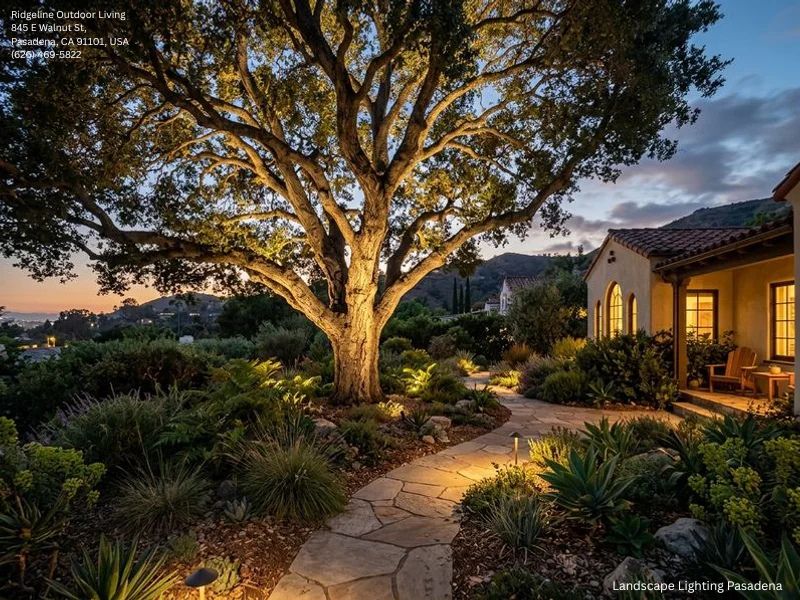
By blending ambient, accent, and task lighting, you can establish a layered effect that manages brightness and shadow, minimizing glare and establishing mood. Innovative options include solar lights and low voltage LEDs to decorative string lights, offering versatile design choices that suit any outdoor setting.
Benefits of Professional Landscape Lighting
Contracting professional landscape lighting services provides numerous advantages beyond basic illumination. Security lighting boosts home safety by preventing intruders and enhancing visibility around entrances and pathways. Professionals deliver energy hardscaping tips efficiency by choosing and installing LED fixtures and low voltage systems that cut power consumption without losing brightness.
Additionally, expert installation delivers adherence to electrical safety standards and local codes, lessening risks associated with underground wiring and outdoor electrical components. Professionals offer proper lighting maintenance guidance, making sure waterproof fixtures and transformers perform reliably for years. Overall, the investment improves property value, usability, and peace of mind.
Categories of Landscape Lighting Fixtures
LED Fixtures and Energy Efficiency
LED fixtures have emerged as the preferred alternative in landscape lighting due to their sturdiness, lengthy operation, and energy efficiency. Employing low voltage LED systems lowers electricity costs and heat output while offering strong, consistent illumination. Many LED options come in moisture-proof designs ideal for wet environments. Solar lights are also becoming popular, using sunlight to power garden lights without wiring, serving as an eco-friendly alternative for pathway or accent lighting.
Pathway and Step Lights
Pathway lights, step lights, bollard lights, and light poles direct visitors safely across your property while bringing subtle charm. These fixtures enhance walkways, stairs, and driveways with low glare and diffuse light, reducing accidents and enhancing accessibility. They typically run on low voltage systems for safe outdoor use and can be spaced along routes to form continuous, inviting illumination.
Accent, Spotlights, and Floodlights
Accent lighting focuses on highlighting landscape features such as trees, sculptures, or architectural details. Spotlights deliver concentrated beams that emphasize focal points, while floodlights offer broad coverage to illuminate larger areas for security or events. Combining these fixtures with shadow effects augments texture and depth in your garden, elevating the overall lighting aesthetics and nighttime appeal.
Decorative and String Lighting Options
Decorative lights, including string lights, pergola lighting, deck lighting, and canopy lights, bring festive atmosphere and warmth to your outdoor spaces. These versatile fixtures suit patios and entertainment areas, forming cozy environments perfect for gatherings. Their flexible installation and variety of colors and styles permit customization to fit seasonal themes or personal styles.
Designing Your Landscape Lighting Plan
Assessing Your Outdoor Space and Landscape Architecture
Commence your lighting project by completely assessing the landscape architecture and pinpointing lighting zones—areas that demand different levels and types of lighting. A detailed lighting plan requires strategic light placement to align ambient lighting with functional needs, making sure pathways, seating areas, and garden features are properly illuminated. Take into account natural terrain, existing vegetation, and sightlines to enhance visual impact while preventing over-illumination.
Layering Light for Aesthetics and Practicality
Light layering is essential to form a dynamic outdoor environment by integrating ambient, task, and accent lights. Control glare control and light diffusion to avoid harsh shadows and eye discomfort. Selecting the correct color temperature determines mood; warm light adds coziness, while cooler tones improve clarity. Proper layering strengthens both lighting aesthetics and practical usability throughout the nightscape.
Incorporating Security and Motion Sensors
Include security lighting with motion sensors, timers, and dimmers for efficient outdoor illumination. Motion-activated lights discourage unwanted activity by turning on when movement is detected, meanwhile saving energy when areas are unoccupied. Lighting controls enable customization of operation times and brightness levels, offering convenience and tailored safety solutions to defend your home and landscape.
Installation Process and Best Practices
Wiring and Electrical Components
Certified installation of landscape lighting involves careful underground wiring with electrical conduit to shield cables from damage and moisture. Using transformers to step down voltage ensures safety and compatibility with low voltage fixtures. Waterproof connectors and outdoor electrical components are essential to upholding system integrity and stopping shorts or corrosion in various weather conditions. Following local electrical codes during wiring is mandatory for safety compliance.
Safe Fixture Mounting and Cable Management
Proper fixture mounting anchors lighting units steadily in place, whether attached to hardscape, buried, or elevated. Cable management stops unsightly tangles and physical hazards by organizing wires neatly and securing them beneath mulch or soil. Use waterproof fixtures and connectors to endure environmental exposure while complying with electrical safety protocols to prevent shocks or system failures over time.
Smart and Hands-free Lighting Solutions
Present-day landscape lighting commonly incorporates smart features such as dusk and twilight sensors that automatically turn lights on or off based on ambient light levels. Incorporating smart lighting control systems with timers and app connectivity allows remote management, scheduling, and customization. Managing your outdoor lighting boosts energy efficiency and convenience, adapting perfectly to daily and seasonal changes.
Maintenance Guidelines and Diagnostics
Periodic lighting maintenance extends the lifespan of your outdoor illumination system and guarantees optimal performance. Check waterproof fixtures regularly for cracks or moisture intrusion. Inspect transformers and wiring for signs of wear or damage, and clean lenses to maintain brightness. Handle flickering or outages without delay by testing connections and replacing faulty bulbs or components. Observing electrical safety procedures during maintenance reduces risks to yourself and your equipment.
Selecting the Appropriate Expert Installer
Choosing a qualified professional installer is crucial for successful landscape lighting design and installation. Look for licensed electricians or certified landscape lighting specialists with verified experience in outdoor lighting projects. Review customer feedback and portfolios to assess reliability and quality workmanship. A reputable installer will provide clear quotes, follow safety codes, and offer ongoing support, helping you achieve a beautiful and safe outdoor lighting solution.
Cost Factors and Budgeting for Landscape Lighting
Landscape lighting installation costs depend on fixture types, system complexity, and labor requirements. Higher-end LED fixtures and smart controls may raise initial investment but provide substantial energy savings and improve ROI over time. Other factors shaping cost include underground wiring needs, transformer specifications, and customization preferences. Planning a realistic budget with professional consultation supports your project fulfills aesthetic and functional goals without unexpected expenses.
Common Questions about Landscape Lighting Design and Installation
- What is the difference between low voltage and line voltage landscape lighting?Low voltage lighting runs at 12 volts for safer, energy-efficient outdoor use, while line voltage operates at standard household voltage (120V), generally requiring professional installation due to greater hazards.How to plan a lighting plan for my garden or yard?Start by assessing your outdoor space layout, determining lighting zones, and picking appropriate fixture types to combine ambient, task, and accent lights that illuminate features and promote protection.Is it possible to install landscape lighting myself, or should I hire a professional?DIY installation is feasible for easy low voltage systems, but professional installers guarantee compliance with electrical codes, correct wiring, and state-of-the-art smart system integration.What are top energy-efficient selections for outdoor lighting?LED fixtures and solar lights deliver great energy efficiency and long lifespans, markedly decreasing electricity consumption compared to traditional incandescent bulbs.Why does motion sensor lighting increase security around my home?Motion sensors turn on lights only when movement is detected, deterring intruders while saving power when areas are unoccupied.What maintenance is required to keep landscape lighting running well?Regular cleaning, inspection for water damage, checking electrical connections, and timely replacement of bulbs and transformers are essential maintenance steps.Are solar landscape lights effective in all climates?Solar lights perform best in areas with sufficient sunlight; performance may decrease in shaded or very cloudy regions but advances in solar technology keep enhancing reliability.What steps ensure my outdoor lighting installation is safe and waterproof?Use waterproof fixtures, connectors, suitably rated transformers, and follow local electrical codes and manufacturer guidelines for installation.
Ridgeline Outdoor Living
Ridgeline Outdoor Living is a Pasadena-based landscape design-build company serving Greater Los Angeles with custom outdoor living, hardscape, and drought-tolerant landscape solutions. The company specializes in patios, retaining walls, outdoor kitchens, drainage, hillside projects, and turnkey landscape construction, handling projects from design and permitting through final build and warranty.
Address:
845 E Walnut St,
Pasadena,
CA
91101,
United States
Phone: (626) 469-5822
Map: View on Google Maps
Business Hours:
- Monday – Saturday: 8:00 AM – 6:00 PM
- Sunday: Closed
Follow Us: