Uncover the most comprehensive and recent weather information for Glendale, California. If you are a inhabitant, guest, or nature lover, grasping current conditions, forecasts, and climate patterns can help you plan your day and keep safe year-round.
Current Weather Conditions in Glendale, CA
Glendale experiences a broad spectrum of weather conditions due to its geographic location in Southern California's Mediterranean climate zone. Currently, the temperature in Glendale typically ranges from mild to warm, with typical daytime temps around the low to mid-70s Fahrenheit in spring and fall, increasing during summer months.
Humidity levels in Glendale are typically moderate, commonly ranging from 40% to 60%, which provides comfortable air quality for most residents and visitors. Wind speeds are generally light to moderate, typically from the west or southwest at around 5 to 15 miles per hour, with sporadic gusts during seasonal transitions.
Barometric pressure in the area remains relatively stable but can shift somewhat with changing weather conditions, altering wind directions and sometimes cloudiness. Dew point values show moisture levels in the atmosphere, often aligning with the mild dryness typical for the region's air.
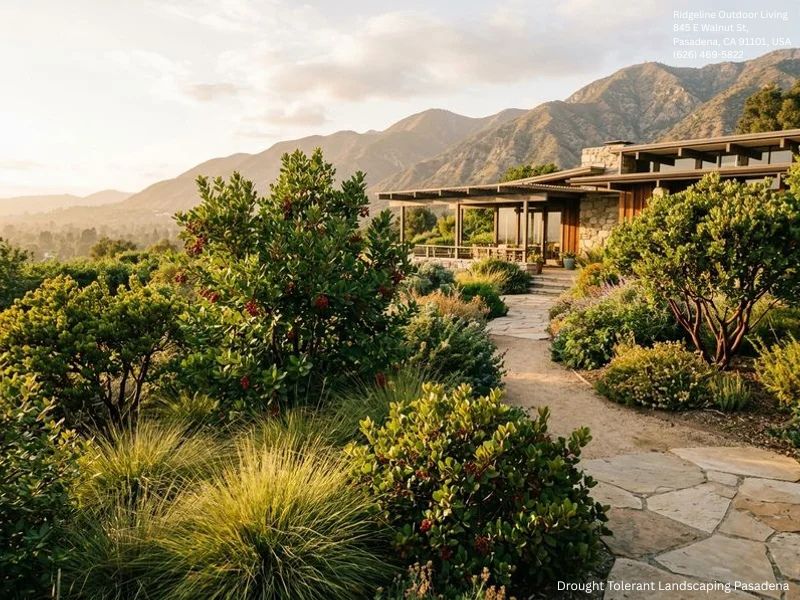
Visibility is high quality on most days, enabling views of the San Gabriel Mountains and surrounding landscapes, though intermittent morning fog or haze can temporarily limit visibility.
Daily and Weekly Weather Forecast for Glendale
Being prepared in Glendale involves awareness of daily highs and lows, precipitation chances, and sunshine availability. Typical daily forecasts provide:
- Temperature Highs and Lows: Forecast temperatures ranging from the mid-50s at night to the upper 80s during warm summer afternoons. Precipitation Chances: Rainfall is sporadic during summertime but goes up somewhat in colder months; most days remain arid and radiant. Sunshine Hours: Glendale often receives 8-10 hours of sunshine daily, making it ideal for outdoor activities. Cloud Cover Trends: Mostly bright skies dominate, with periodic overcast periods during turbulent or colder intervals.
Weekly forecasts present these trends with approximate highs/lows and weather outlooks, supporting locals and travelers predict any changes in conditions such as forthcoming heatwaves, mild rain showers, or windy days. Regular weather updates make sure you are equipped for any shifts in Glendale’s unpredictable weather patterns.
Climate and Seasonal Weather Patterns in Glendale, CA
Glendale has a Mediterranean-like climate noted for hot, dry summers and mild, wetter winters. This climate creates distinct seasonal weather patterns that residents encounter year-round.
Summers in Glendale are typically dry with limited rainfall and temperatures often rising to the high 80s and low 90s Fahrenheit. This period sees consistent sunny days and lower humidity, causing dryer air and occasional wildfire concerns in surrounding areas.
Winters bring cooler, more humid conditions with average temperatures retaining wall contractor Pasadena ranging as low as the 50s and 60s. Rainfall is mostly limited from November through March, replenishing local reservoirs and greenery. Snowfall in Glendale itself is highly unusual due to its elevation and proximity to coastal influences.
Spring and fall are transitional seasons featuring fluctuating temperatures and variable precipitation, often coupled with soothing breezes and colorful changes in local flora. Over time, trends reveal a gradual warming and reduced rainfall, reflecting broader climate change impacts on the region.
Weather Alerts and Severe Weather Warnings
Although Glendale’s weather is usually mild, residents should stay aware of occasional severe weather events that may occur, including storms and temperature extremes.
- Thunderstorm Warnings: Rare but feasible during changeable seasons with specific lightning risks. Freeze Warnings: Sometimes announced during winter nights when temperatures near freezing, primarily in higher elevation zones within Glendale. Storm Alerts: Include potential flash floods during heavy rains, particularly in low-lying or urban runoff areas. Lightning Risk: Present during thunderstorm events, requiring caution for outdoor safety. Flood Risk: Commonly low but grows near waterways after significant rainfalls. Drought Conditions: A ongoing concern during sustained dry periods with official advisories encouraging water conservation.
Staying aware through official weather advisories assists mitigate risks and improves community safety during unpredictable weather episodes.
Understanding Key Weather Metrics and Phenomena
Interpreting weather data enables residents and visitors to make better-informed decisions regarding their health and safety. Here are key weather metrics explained:
- UV Index: Assesses ultraviolet radiation strength; higher values in Glendale demand sun protection to reduce skin damage. Heat Index: Indicates how hot it is perceived when humidity interacts with air temperature, significant during summer heatwaves. Wind Chill: Reflects perceived coldness due to wind speed, mainly relevant in cooler months or unexpected cold snaps. Atmospheric Pressure: Influences weather changes; rising pressure generally signals clear weather, while falling pressure suggests incoming storms. Fog Conditions: Take place occasionally, notably in valleys during early mornings, impairing visibility. Jet Stream Impact: The position of the jet stream can affect regional weather patterns, causing shifts in temperature and storm activity to Glendale.
Knowing these terms helps you can assess weather reports accurately and prepare suitably.
Local Weather Tools and Resources
Accessing real-time and accurate weather data for Glendale is easier than ever with various tools and resources intended to offer current information:
- Weather Radar Glendale: Displays live precipitation and storm movement in the vicinity. Satellite Images Glendale: Display cloud cover and weather system development from space, providing a macro view. Weather Stations Glendale CA: Record localized atmospheric data like temperature, humidity, and wind conditions. Weather Maps Glendale: Depict temperature distributions, pressure systems, and precipitation overlays. Weather Sensors Glendale: Measure air quality and environmental factors alongside meteorological variables. Weather Apps Glendale: Well-known apps feature user-friendly interfaces for live updates, alerts, and personalized forecasts.
Employing these digital resources supports comprehensive and timely awareness of Glendale’s changing weather conditions.
Air Quality and Environmental Factors Affecting Glendale Weather
Apart from temperature and precipitation, air quality and other environmental factors greatly affect Glendale’s weather experience.
Air pollution levels vary due to traffic density, industrial activity, and seasonal factors like wildfires. These pollutants can create smog and haze, affecting visibility and respiratory health.
Pollen counts rise particularly during spring, disturbing allergy sufferers in the community. Monitoring pollen forecasts supports managing symptoms and hardscaping tips planning outdoor activities.
Dryness continues as a major environmental problem, impacting water usage policies and influencing vegetation health in Glendale. Actions to save water stay crucial during long dry spells.
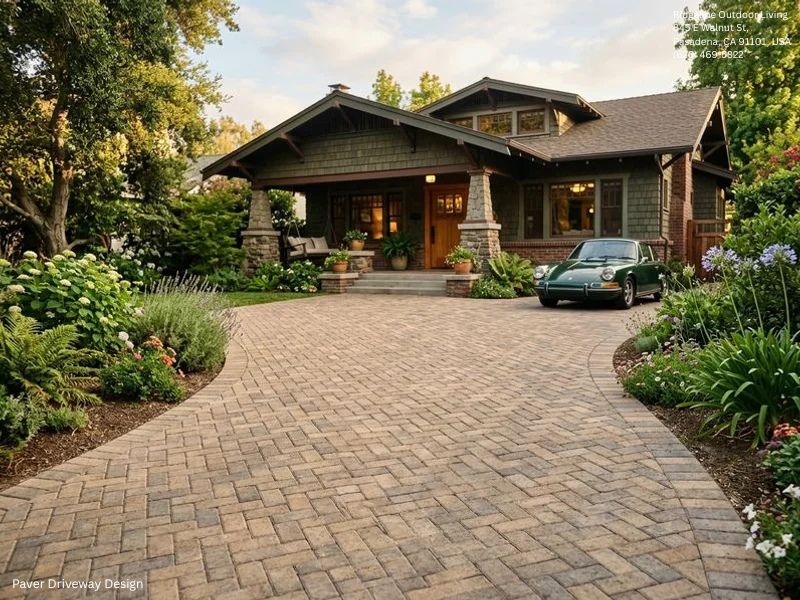
Glendale’s proximity to coastal areas creates a particular microclimate with breezy sea breezes regulating temperatures and periodically producing marine layer fog.
Urban landscape features also contribute to microclimate variations, causing localized differences in temperature and humidity that can vary significantly within limited distances.
Sunrise and Sunset Times in Glendale, CA
Understanding sunrise and sunset times is crucial for organizing time outdoors, whether for recreation, commuting, or photography. In Glendale:
- Sunrise Times: Vary roughly between 6:45 AM during winter months to about 5:45 AM in summer, steadily changing daily. Sunset Times: Last from around 4:45 PM in December to nearly 8:00 PM in June, allowing longer daylight during warmer months.
The seasonal variations affect daily routines and energy consumption, while also boosting opportunities for relaxing in Glendale’s scenic outdoor spaces.
Conclusion
Comprehending the weather in Glendale, CA is essential for residents, visitors, and anyone planning activities in this dynamic Southern California city. With generally temperate temperatures, a Mediterranean climate, and abundant sunshine, Glendale provides a pleasant environment year-round.
By keeping informed through current weather conditions, forecasts, and alerts, you can be more prepared for the occasional severe weather or environmental challenges that emerge. Leveraging local weather tools and appreciating the nuances of Glendale’s unique microclimate provides both safety and enjoyment.
Appreciate the beauty and diversity of Glendale’s weather by regularly checking reliable sources and adjusting to seasonal changes. For ongoing updates, opt for local weather alerts and using trusted weather apps tailored for this area.
Ridgeline Outdoor Living
Ridgeline Outdoor Living is a Pasadena-based landscape design-build company serving Greater Los Angeles with custom outdoor living, hardscape, and drought-tolerant landscape solutions. The company specializes in patios, retaining walls, outdoor kitchens, drainage, hillside projects, and turnkey landscape construction, handling projects from design and permitting through final build and warranty.
Address:
845 E Walnut St,
Pasadena,
CA
91101,
United States
Phone: (626) 469-5822
Map: View on Google Maps
Business Hours:
- Monday – Saturday: 8:00 AM – 6:00 PM
- Sunday: Closed
Follow Us: